
Top Skincare Tips for Managing Persistent Breakouts Safely

Persistent breakouts can feel frustrating, unpredictable, and even discouraging—especially when they keep returning despite your best efforts. Many people search for solutions that offer gentle support while still giving visible improvements over time. One option some individuals explore is finacea gel which is referenced often in conversations about topical skincare routines. If you’re struggling with recurrent blemishes, understanding safe and practical ways to look after your skin can make a difference in your long-term results. Below are the top tips to help you build a kinder, more thoughtful routine without overwhelming your skin barrier or causing further irritation.

Start With a Consistent, Mild Cleansing Routine

woman Cleansing forms the groundwork of any breakout-management plan. Instead of harsh scrubs or overly foamy cleansers, choose a gentle formula that removes oil and debris without stripping your skin. Many people make the mistake of cleansing too aggressively, believing that a “squeaky clean” feeling means better results. In reality, excessive cleansing can trigger more sensitivity and may encourage your skin to produce extra oil as compensation. A steady morning and evening cleansing habit helps maintain balance, supports clarity, and sets your skin up to respond better to the rest of your routine. If you wear sunscreen or makeup, consider using a simple double-cleanse at night to lift residue more thoroughly without damaging the skin’s natural surface.

Use Active Ingredients Gradually to Avoid Irritation

Active skincare ingredients can be extremely helpful for managing breakouts, but introducing them too quickly is a common error. Start slowly and allow your skin to adjust before increasing frequency. Many active compounds work over time rather than instantly, so patience is truly essential. Applying too much too soon may lead to redness, burning sensations, or dryness—issues that can discourage you from continuing the routine altogether. Adding new products at a controlled pace lets you monitor how your skin responds and reduces the risk of discomfort. This strategy also helps protect your moisture barrier and allows beneficial ingredients to perform more smoothly in the long run.

Keep Your Skin Hydrated, Even if It Feels Oily

pump

A surprising number of people dealing with breakouts skip moisturizer because they assume it will worsen oiliness. In reality, balanced hydration plays a huge role in maintaining a smoother complexion. When your skin lacks moisture, it may increase oil production to compensate, which can lead to additional congestion. Select a lightweight, non-greasy moisturizer that supports your skin without feeling heavy. Products containing calming or replenishing ingredients can help reduce sensitivity caused by acne treatments. Hydrated skin tends to appear healthier, feels more comfortable, and is better equipped to handle active formulas. This step also helps protect your barrier, which is crucial when using exfoliating or clarifying products.

Avoid Picking, Squeezing, or Over-Examining Your Skin

One of the most damaging habits for breakout-prone skin is touching or picking at active lesions. While it might feel tempting to “help” a blemish along, this habit can increase the chances of post-inflammatory marks, prolonged healing, or even scarring. Touching your face regularly also transfers oil, dirt, and bacteria that can worsen your condition. A helpful technique is to keep your hands occupied or gently remind yourself that healing will occur more naturally if you leave breakouts alone. If a blemish feels painful or swollen, you can apply a cool compress or use approved spot-treatments recommended by dermatology professionals. Over time, avoiding this habit will significantly support a clearer and smoother appearance.

Protect Your Skin From Sun Exposure Daily
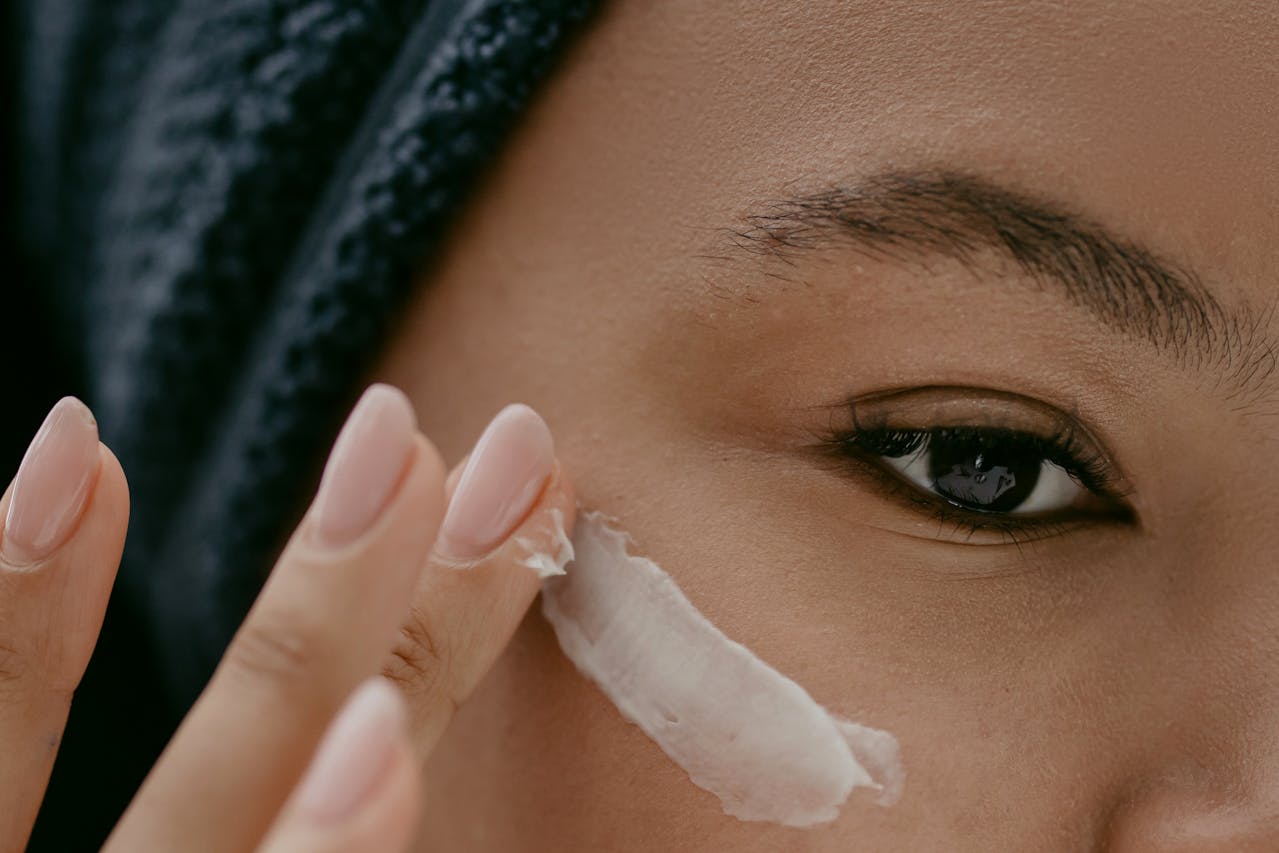
applying product Daily sun protection is a powerful yet often overlooked step in breakout care. UV exposure can make blemishes and post-acne marks appear darker and take longer to fade. Even on cloudy days, sunscreen plays a crucial role in keeping your complexion more even and helping your skin recover from inflammation. Choose a lightweight sunscreen that does not clog pores and works well with your moisturizer. Applying it every morning—and reapplying when spending extended time outdoors—supports the results of your routine and helps prevent new discoloration. Consistent sun protection also enhances your skin’s overall resilience and contributes to healthier-looking skin in the long term.

Managing persistent breakouts safely requires patience, consistency, and thoughtful care rather than aggressive treatments or quick fixes. By cleansing gently, introducing active ingredients slowly, balancing hydration, resisting the urge to pick blemishes, and protecting  the skin from sunlight, you create a routine that supports clarity and comfort. These strategies help build a healthier foundation and promote a smoother, calmer complexion over time.

Leave a Reply

Your email address will not be published. Required fields are marked *

Related Post

dermovate cream

Daily Skincare Habits That Work Well With Dermovate Treatments

Feeling like your skin won’t glow as you’d expect? Having an issue with your skin getting clearer? Using dermovate can feel like a reset button for irritated or inflamed skin, but the results improve when your daily habits support it. Think of it like teaming up with your products instead of working against them. Many people forget that simple routines matter just as much as the treatment itself. With consistent habits, your skin gets a calmer, healthier environment to heal in.

Using a Gentle Cleanser Every Morning

Start the day with a cleanser that doesn’t strip your skin. Harsh formulas make irritation worse and slow down progress. Choose something mild, soft, and straightforward. Your face shouldn’t feel tight or squeaky after washing. A calm beginning sets the tone for the rest of your routine. Skin treated with steroid creams needs extra kindness. Think low-foam or non-foam cleansers. They remove sweat and oil without overdoing it.

Moisturizing Right After Cleansing

moisturizer

Hydration locks comfort into the skin. A simple moisturizer supports your barrier and helps reduce dryness caused by treatment use. Apply it while your skin is still slightly damp for better absorption. That tiny timing trick makes a bigger difference than most people expect. Look for creams instead of gels. They tend to soothe more effectively. Fragrance-free options are usually safer for sensitive or inflamed skin. Keep it predictable and avoid unnecessary additives.

Applying Dermovate Only as Directed

Using your prescription exactly as instructed is essential. More isn’t better, and skipping days without reason slows progress. Apply a thin layer to affected areas only. Think “light coat,” not frosting a cupcake. Consistency gives you clearer results. If your skin starts improving, resist the temptation to push for quicker changes. Slow and steady truly works better here. It keeps your skin stable during the process.

Keeping Your Hands Clean Before Every Application

Clean hands make a major difference. Dirt or bacteria can worsen irritation if transferred onto sensitive skin. Wash your hands first, apply the treatment, then wash again. It sounds repetitive, but it prevents problems. This habit also stops residue from getting on clothing, bedding, or your phone. Many people overlook this tiny step. But it keeps your routine hygienic and prevents accidental spreading to other areas. Think of it as a simple insurance move.

Avoiding Harsh Exfoliation and Active Ingredients

exfoliation

Skip abrasive scrubs or strong acids while using steroid treatments. They can overwhelm your skin and undo improvements. Your routine should feel soothing, not aggressive. Stick to gentle products for the time being. If you enjoy exfoliating normally, save it for later. Your skin needs quiet time to heal. Think like a gardener—new growth needs protection, not rough handling. A soft touch goes a long way.

Using Sunscreen Every Day

Skin that’s healing becomes more sensitive to sunlight. UV exposure worsens redness and inflamed areas quickly. A daily sunscreen protects your progress. Choose mineral formulas for fewer reactions. Apply it generously and reapply if you’re outside for long periods. Even cloudy days count. Sunlight doesn’t need permission to irritate your skin. Keeping a travel-sized sunscreen in your bag helps you stay prepared.

Wig Caps and Foundations: The Key to a Comfortable Fit for Every Human Hair Wig by Luvme Hair

Today, we’re going to tackle an essential topic that can make or break your wig-wearing experience: wig caps and foundations. If you’re just dipping your toes into the world of alternative hairstyles, understanding the different types of wig caps for human hair bundles from Luvme Hair and how they contribute to a comfortable fit is crucial.

As a side note, you should check the wig collections from Luvme Hair, as they always offer the best real human hair wigs. So, if you’ve ever wondered what makes a human hair wig feel like it was made for you, keep on reading.

Types of Wig Caps and Cap Construction

When it comes to wig caps, there are a few different types and constructions to consider. One of the most popular options is the monofilament cap. This type of cap features a sheer mesh material that mimics the appearance of your natural scalp, providing a realistic look even when the hair is parted. The individual strands of hair are hand-tied onto this mesh base, allowing for greater versatility in styling.

Another option to explore is the lace cap. Lace caps utilize a delicate lace material at the front or throughout the entire cap construction. This creates an incredibly natural-looking hairline as if each strand were growing directly from your own scalp. The lace also offers breathability and comfort, making it ideal for those who wear wigs for extended periods.

Benefits of Monofilament and Lace Caps

Let’s talk about the monofilament cap first. This type of cap offers a natural scalp appearance and exceptional comfort. The monofilament material allows for individual hairs to be hand-tied onto the cap, creating a realistic look that mimics natural hair growth.

Not only does the monofilament cap provide a natural scalp appearance, but it also offers superior comfort and breathability. The sheer construction of the cap allows air to flow freely through the wig, keeping your scalp cool and reducing any discomfort or irritation.

Another option worth considering is the lace cap. Like the monofilament cap, lace caps also provide a realistic scalp appearance and incredible comfort. The delicate lace material blends seamlessly with your skin tone, giving you an undetectable hairline.

Cap Size and Fit

Finding the perfect fit for your human hair wig is essential to achieving a natural and comfortable look. To ensure the best possible fit, it is crucial to measure your head size accurately. Here’s how you can do it.

  • Start by taking a flexible measuring tape and placing it around your head just above your ears and eyebrows. Make sure the tape sits snugly but not too tightly against your scalp. Take note of this measurement, as it will help determine which cap size would be ideal for you.
  • Next, refer to the sizing chart provided by the wig manufacturer or retailer. Different brands may have slightly different measurements for their cap sizes, so always double-check before making a purchase.
  • When trying on wigs, pay attention to how secure they feel on your head. A well-fitted wig should not slip or slide when you move or tilt your head.

Cap Adjustments and Care

Once you’ve found the perfect wig cap and achieved a comfortable fit, it’s important to know how to make adjustments as needed. Wig caps often come with adjustable straps or hooks at the nape of the neck, allowing you to tighten or loosen them for a secure fit. If your cap feels too tight, simply release some tension by adjusting the straps.

On the other hand, if your cap feels loose or slips around, tightening the straps will provide a more snug fit. In addition to making necessary adjustments, caring for your wig cap is crucial in maintaining its longevity. Regularly cleaning your wig cap will help remove any dirt or oils that may have accumulated over time. Gently hand wash using mild shampoo and lukewarm water before air drying on a wig stand to maintain its shape.

So that’s it. Embrace those luscious locks from Luvme Hair with confidence. With the right foundation provided by high-quality wig caps and proper care techniques, you’ll always be ready to slay any hairstyle with comfort and style.

ingredients

Harmful Ingredients That Should Not Be in Your Skincare Products

Beauty is not just a gift. It’s something we need to achieve. That’s why more and more people visit their aestheticians and surgeons to get chemical peels, Botox injections, or even nose fillers. When it comes to skincare, we all want the best for our skin. We want to avoid harmful ingredients and choose products that make us look and feel our best. But with so many skincare products on the market, how do you know which ingredients to avoid? Today’s post will shed light on some of the most harmful ingredients you don’t want in your skincare products. As a bonus, we’ll also provide better alternatives for your skin. So, let’s get started.

Formaldehyde

Formaldehyde is a known carcinogen often used as a preservative in skincare products. It can be found in shampoos, body washes, and other cosmetics. Formaldehyde can cause skin irritation, watery eyes, and burning sensations in the eyes and throat. In severe cases, it can also cause difficulty breathing. If you see formaldehyde listed as an ingredient on a skincare product, it’s best to avoid it. There are many preservatives that are safe and effective alternatives to formaldehyde. Some of these include sodium benzoate, potassium sorbate, and caprylyl glycol.

Phthalates

Aside from formaldehyde, phthalates are another group of chemicals that you want to avoid in your skincare products. Phthalates are often used to make plastics more flexible and durable. They can also be found in perfumes, lotions, and hair care products. Phthalates have been linked to endocrine disruption, reproductive toxicity, and cancer. If you see phthalates listed as an ingredient in a product, it’s best to avoid it. Instead, look for products that contain safer alternatives, like ethylhexylglycerin and phenoxyethanol.

Parabens

Like formaldehyde and phthalates, parabens are another group of chemicals that you want to avoid in your skincare products. A study in 2004 found that parabens can mimic the hormone estrogen in the body. This can lead to various health problems, including endocrine disruption, reproductive toxicity, and cancer. If you see parabens listed as an ingredient on a product, it’s best to steer clear of it.

Polyacrylamide

face oilLast but not least, you also want to avoid polyacrylamide in your skincare products. Polyacrylamide is a synthetic polymer that is often used as a thickening agent. It can be found in some creams, lotions, and hair care products. Polyacrylamide has been linked to cancer and reproductive toxicity. Some reports showed that polyacrylamide can also cause skin irritation. If you see polyacrylamide listed as an ingredient on a product, it’s best to avoid it.

As you can see, these are harmful ingredients you want to avoid in your skincare products. By reading labels and doing your research, you can ensure that you’re using safe and effective products to help you achieve healthy, beautiful skin. Do you have any other tips for choosing the right skincare products? Share them with us in the comments below.