
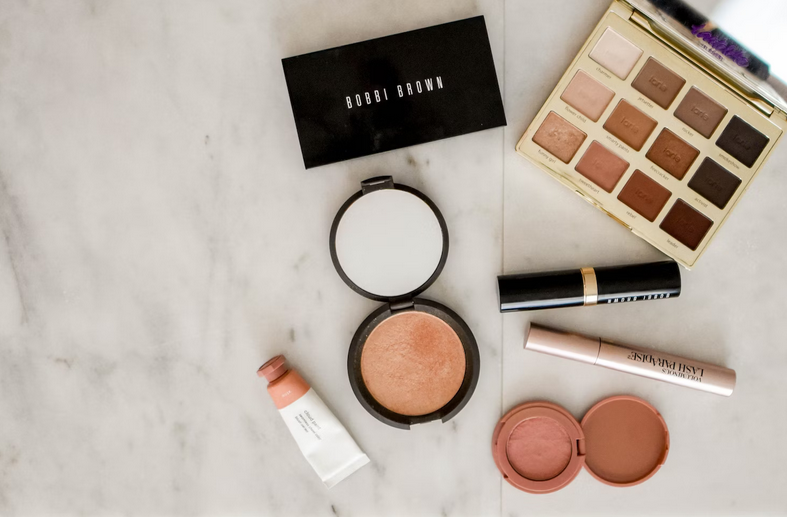
Unlock the secrets to flawless makeup. Choosing the right products is not just about trends and colors but also understanding your unique skin needs. With numerous options on the market, finding what works best for you can be overwhelming. But fret not; we’re here to guide you through the process.
Here, we will explore key factors to consider when selecting makeup products – from understanding your skin type and undertone to finding the perfect coverage and checking ingredient lists. Seint Makeup Reviews have also covered all these valuable insights so be sure to check them. So, let’s dive in and discover how you can make smart choices that always leave you looking stunning.
Skin Type
By understanding your skin type is crucial when it comes to selecting makeup products. Each person’s skin is unique, and what works for one may not work for another. So, before you start shopping, take a moment to analyze your skin. Determine whether you have oily, dry, combination, or sensitive skin. It is known that oily skin tends to produce excess sebum and can be prone to breakouts.
Dry skin lacks moisture and often feels tight or flaky. Combination skin has oily and dry areas on different face parts. Sensitive skin is easily irritated by certain ingredients or environmental factors. Once you’ve identified your primary skin type, consider any specific concerns, such as acne-prone or aging skin, that may require targeted solutions. This will help you narrow down product options that address those particular issues.
Undertone
When choosing makeup products, one crucial factor to consider is your undertone. Undertones are the subtle hues that lie beneath the surface of your skin and can greatly affect how certain colors look on you. There are three main undertones: cool, warm, and neutral. Determining your undertone can be done through a simple test. Look at the veins inside your wrist – if they appear bluish or purple, you likely have a cool undertone. If they appear greenish, you probably have a warm undertone. Neutral undertones will show both blue and green shades.
Coverage
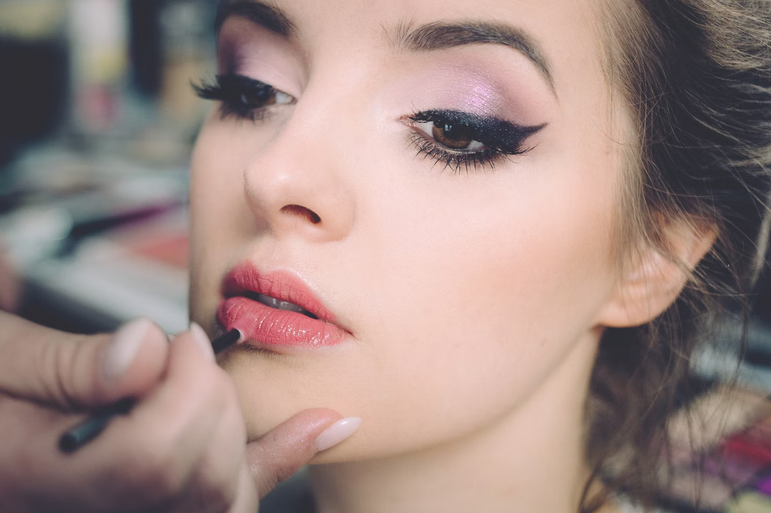
When choosing makeup products, one crucial factor to consider is the level of coverage you desire. Coverage refers to how much the product can hide imperfections and even out your skin tone. For those with clear skin and minimal blemishes, a light or sheer coverage foundation or tinted moisturizer may be sufficient. This type of product provides a natural-looking finish and evens out any minor discoloration without feeling heavy on the skin. If you have more noticeable blemishes or want a flawless complexion, medium to full-coverage foundations might be your best bet. These formulas are designed to provide more pigmentation and can effectively cover acne scars, redness, and other imperfections.
Ingredients
Ingredients are crucial in choosing the right makeup products for your skin. It’s essential to read and understand the list of ingredients before making a purchase. Different ingredients have different effects on the skin, so knowing what works best for you is essential. Look out for any potential allergens or irritants that may be present in the product. If you have sensitive skin, it’s advisable to avoid products with alcohol, fragrances, and certain preservatives that can irritate. Consider whether you prefer natural or synthetic ingredients. Natural ingredients are derived from plants and minerals and are generally gentler on the skin.
Everyone’s needs are unique, so what works for someone else may not work for you. Feel free to experiment with different brands and formulas until you find what suits you best. By considering these considerations when choosing makeup products, you’ll be able to enhance your beauty while also caring for your skin’s health. So enjoy exploring the vast world of cosmetics – it’s all about finding what makes you feel confident and beautiful.
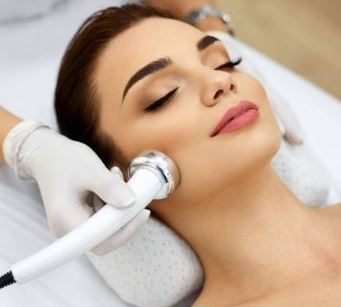
 Can Reach Fats Anywhere in the Body
 The whole procedure over an area can take one hour or less. Without any cuts and anesthesia, a patient does not need any recovery time at all. With only a feeling of soreness after the procedure, massaging the area a little can help you get rid of the discomfort. Massaging the area can also aid in fat degradation in the treated area as some patients would claim.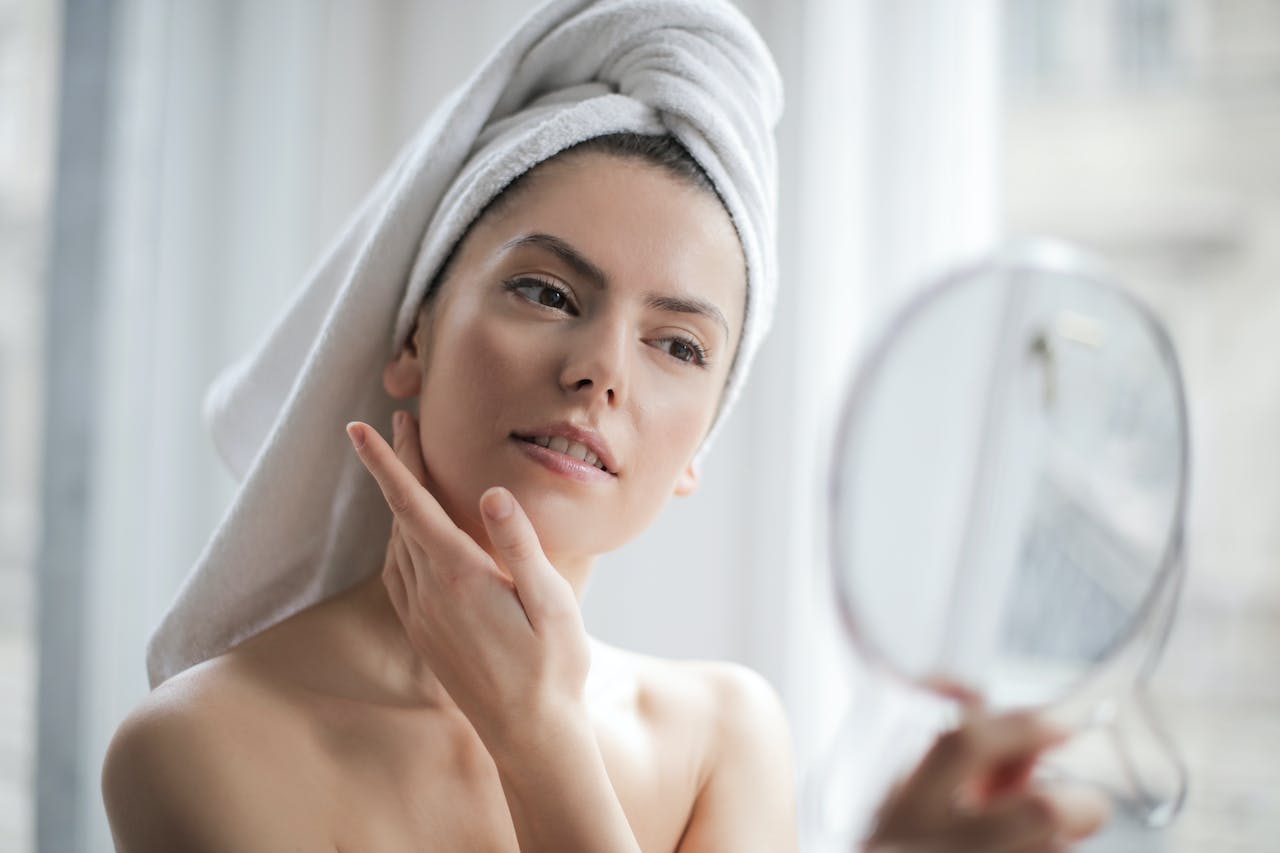
 Say goodbye to dull, uneven skin tone with the help of vitamin C serum. This potent ingredient works wonders in brightening and evening out your complexion, giving you that coveted lit-from-within glow. Vitamin C is a natural skin brightener that helps to fade dark spots, hyperpigmentation, and discoloration caused by sun damage or acne scars.
 One of the top benefits of using vitamin C serum is that it can greatly improve hydration and moisture in your skin. This powerful ingredient can penetrate deep into the skin, delivering much-needed nourishment and hydration. Vitamin C is known for its antioxidant properties, which help protect the skin from damage caused by free radicals.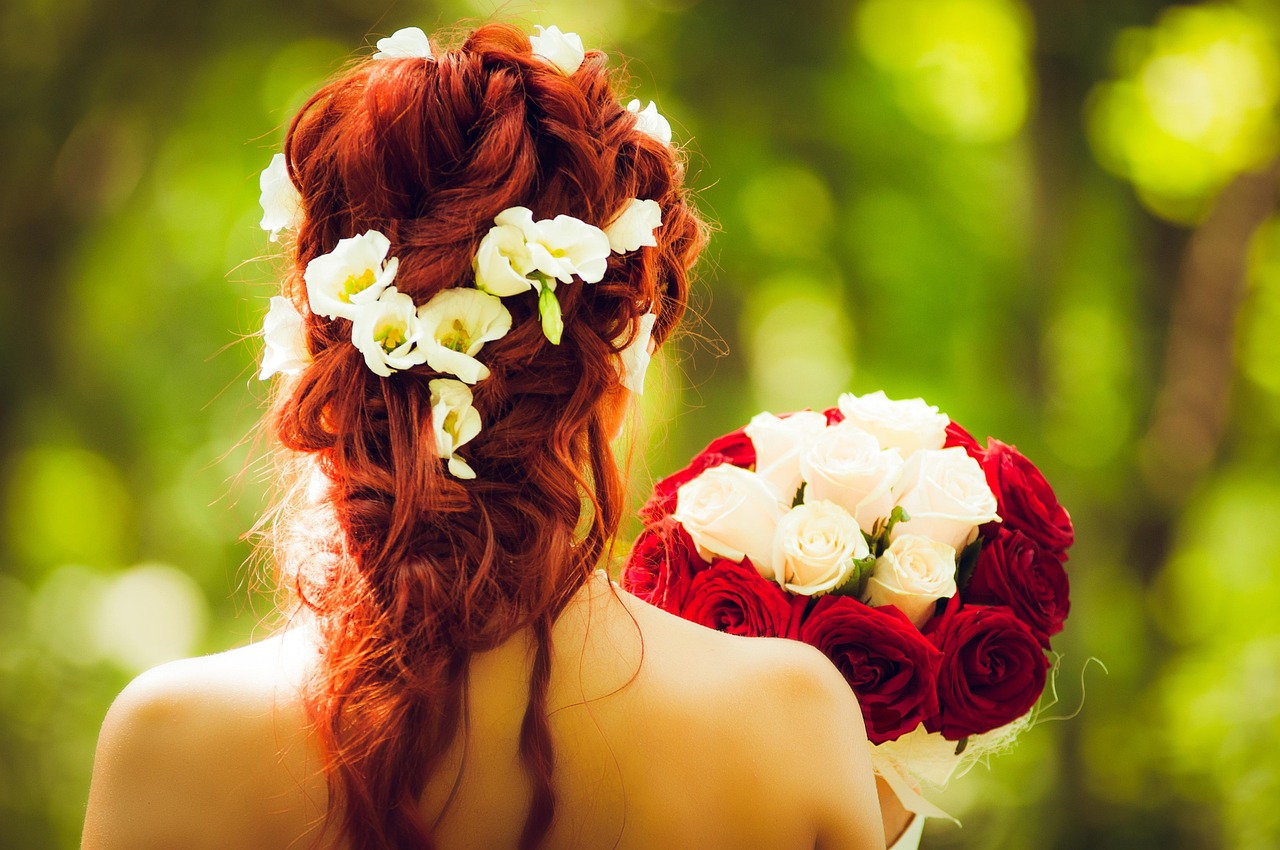
 When you’re attending a wedding, whether as a guest or part of the bridal party, hair extensions are your best friend. They can add volume and length to create stunning, voluminous updos or cascading waves that scream elegance. If you’re looking for a romantic and soft look, adding loose waves to your extensions will give you a dreamy, bride-worthy hairstyle. You can finish it off with a delicate hairpin or floral accessory. For those who prefer an updo, extensions can give you the fullness and height you need for a sophisticated bun or chignon. Braids can also be added for a more bohemian feel, which is perfect for a more relaxed, yet elegant look.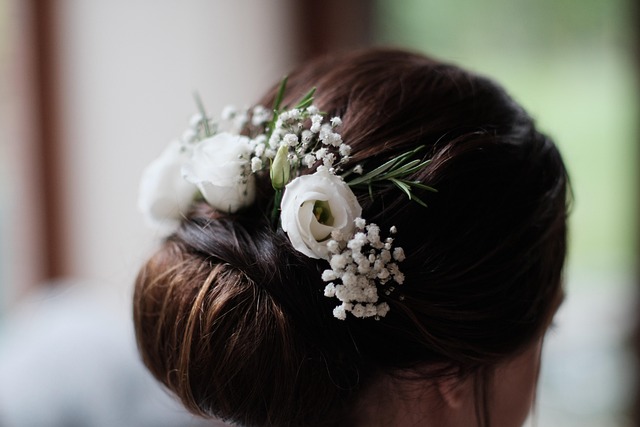
 To make sure your hair extensions look as flawless as possible, there are a few tips to keep in mind. First, choose the right type of extensions. Clip-in or tape-in extensions are a great option for blending seamlessly with your natural hair while still providing length and volume. Second, it’s essential to match your hair color as closely as possible for the most natural look. If you want to add a little more dimension, consider going for a slightly lighter shade to achieve a sun-kissed, highlighted effect. Lastly, prep your natural hair before adding the extensions. Ensure that your hair is styled and prepped so that the extensions blend well and stay in place throughout the day or night. No matter the occasion, hair extensions are a simple way to elevate your hairstyle and make you feel extra fabulous.