
Top Skincare Tips for Managing Persistent Breakouts Safely

Persistent breakouts can feel frustrating, unpredictable, and even discouraging—especially when they keep returning despite your best efforts. Many people search for solutions that offer gentle support while still giving visible improvements over time. One option some individuals explore is finacea gel which is referenced often in conversations about topical skincare routines. If you’re struggling with recurrent blemishes, understanding safe and practical ways to look after your skin can make a difference in your long-term results. Below are the top tips to help you build a kinder, more thoughtful routine without overwhelming your skin barrier or causing further irritation.

Start With a Consistent, Mild Cleansing Routine

woman Cleansing forms the groundwork of any breakout-management plan. Instead of harsh scrubs or overly foamy cleansers, choose a gentle formula that removes oil and debris without stripping your skin. Many people make the mistake of cleansing too aggressively, believing that a “squeaky clean” feeling means better results. In reality, excessive cleansing can trigger more sensitivity and may encourage your skin to produce extra oil as compensation. A steady morning and evening cleansing habit helps maintain balance, supports clarity, and sets your skin up to respond better to the rest of your routine. If you wear sunscreen or makeup, consider using a simple double-cleanse at night to lift residue more thoroughly without damaging the skin’s natural surface.

Use Active Ingredients Gradually to Avoid Irritation

Active skincare ingredients can be extremely helpful for managing breakouts, but introducing them too quickly is a common error. Start slowly and allow your skin to adjust before increasing frequency. Many active compounds work over time rather than instantly, so patience is truly essential. Applying too much too soon may lead to redness, burning sensations, or dryness—issues that can discourage you from continuing the routine altogether. Adding new products at a controlled pace lets you monitor how your skin responds and reduces the risk of discomfort. This strategy also helps protect your moisture barrier and allows beneficial ingredients to perform more smoothly in the long run.

Keep Your Skin Hydrated, Even if It Feels Oily

pump

A surprising number of people dealing with breakouts skip moisturizer because they assume it will worsen oiliness. In reality, balanced hydration plays a huge role in maintaining a smoother complexion. When your skin lacks moisture, it may increase oil production to compensate, which can lead to additional congestion. Select a lightweight, non-greasy moisturizer that supports your skin without feeling heavy. Products containing calming or replenishing ingredients can help reduce sensitivity caused by acne treatments. Hydrated skin tends to appear healthier, feels more comfortable, and is better equipped to handle active formulas. This step also helps protect your barrier, which is crucial when using exfoliating or clarifying products.

Avoid Picking, Squeezing, or Over-Examining Your Skin

One of the most damaging habits for breakout-prone skin is touching or picking at active lesions. While it might feel tempting to “help” a blemish along, this habit can increase the chances of post-inflammatory marks, prolonged healing, or even scarring. Touching your face regularly also transfers oil, dirt, and bacteria that can worsen your condition. A helpful technique is to keep your hands occupied or gently remind yourself that healing will occur more naturally if you leave breakouts alone. If a blemish feels painful or swollen, you can apply a cool compress or use approved spot-treatments recommended by dermatology professionals. Over time, avoiding this habit will significantly support a clearer and smoother appearance.

Protect Your Skin From Sun Exposure Daily
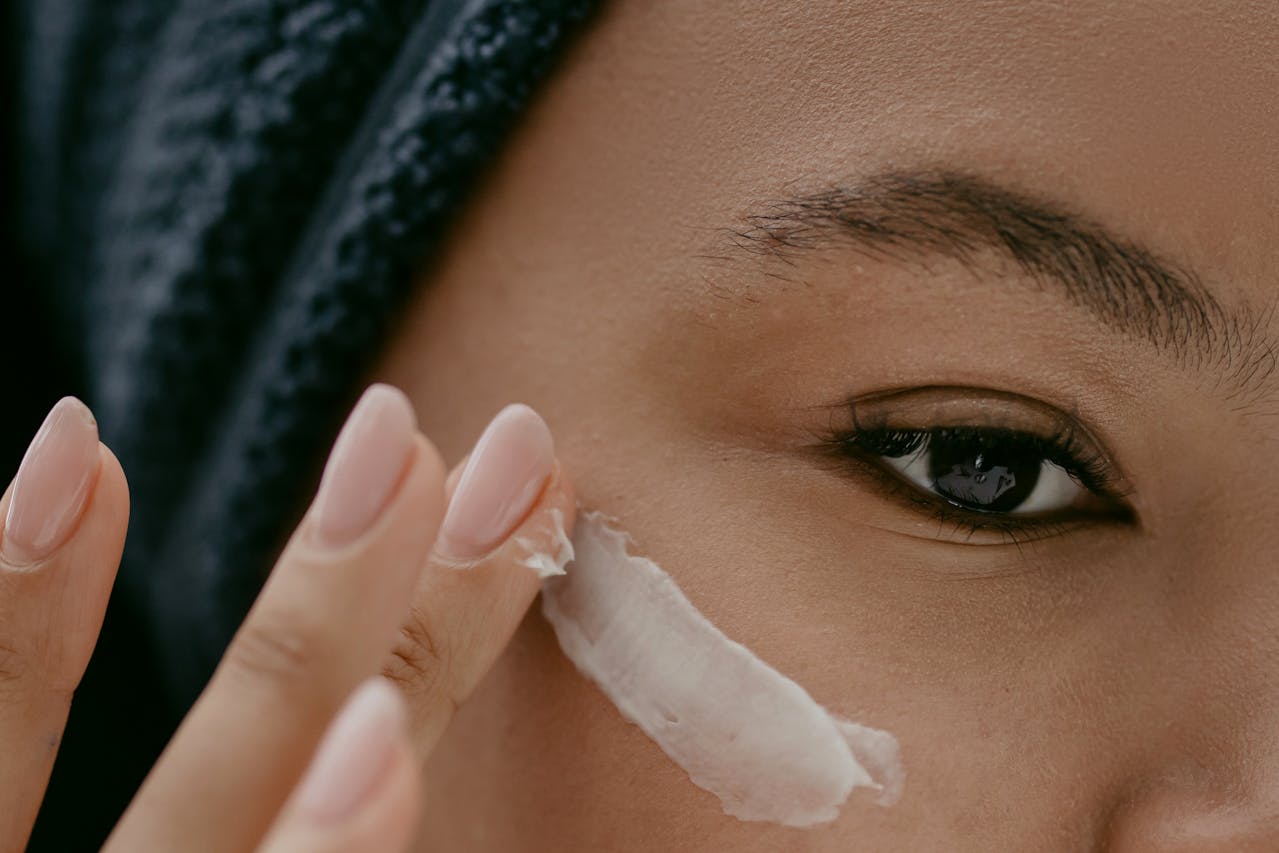
applying product Daily sun protection is a powerful yet often overlooked step in breakout care. UV exposure can make blemishes and post-acne marks appear darker and take longer to fade. Even on cloudy days, sunscreen plays a crucial role in keeping your complexion more even and helping your skin recover from inflammation. Choose a lightweight sunscreen that does not clog pores and works well with your moisturizer. Applying it every morning—and reapplying when spending extended time outdoors—supports the results of your routine and helps prevent new discoloration. Consistent sun protection also enhances your skin’s overall resilience and contributes to healthier-looking skin in the long term.

Managing persistent breakouts safely requires patience, consistency, and thoughtful care rather than aggressive treatments or quick fixes. By cleansing gently, introducing active ingredients slowly, balancing hydration, resisting the urge to pick blemishes, and protecting  the skin from sunlight, you create a routine that supports clarity and comfort. These strategies help build a healthier foundation and promote a smoother, calmer complexion over time.


Leave a Reply

Your email address will not be published. Required fields are marked *

Related Post

skincare

100% Natural DIY Skin Care for Your Sensitive Skin

Okay, we’re all tired of trying out store-bought skin care products that promise to be gentle on your sensitive skin but end up causing more harm than good. That’s why it’s time to take matters into your own hands with this 100% natural DIY skincare for sensitive skin. Say goodbye to harsh chemicals and hello to nourishing ingredients straight from nature.

In this blog post, we’ll share some easy-to-make recipes for a cocoa face mask, oat face mask, anti-aging cocoa face mask for fighting acne, and beeswax lip scrub that will leave your skin feeling smooth and refreshed. So grab some ingredients from your pantry, and let’s get started on this journey towards healthier, happier skin.

Cocoa Face Mask for Anti-Aging

mask

Cocoa is not just a delicious treat – it’s also great for your skin. This luxurious face mask is perfect for those looking to combat the signs of aging. Cocoa contains antioxidants that can help repair damaged skin cells and improve elasticity, leaving you with a youthful glow.

To make this mask, simply mix together one tablespoon of cocoa powder, one teaspoon of honey, and two tablespoons of plain yogurt. Then, slap the mixture to your face evenly and let it sit for 15-20 minutes before rinsing off with warm water. You’ll be amazed at how soft and supple your skin feels after using this mask.

Oat Face Mask for Nourishing

Oatmeal is not just for breakfast. It’s also a great ingredient to use in DIY skincare masks, especially if you have sensitive skin. Oatmeal contains natural anti-inflammatory properties that can soothe irritated skin and reduce redness.

To make an oat face mask, start by grinding up some plain, uncooked oats until they form a fine powder. Mix the powdered oats with honey and warm water to create a paste-like consistency. This oat face mask is perfect for those who suffer from dry or flaky skin because it helps lock in moisture while gently exfoliating dead skin cells away.

Anti-Aging Cocoa Face Mask for Fighting Acne

If you think anti-aging and acne-fighting properties can’t be in one face mask, think again. This DIY cocoa face mask is packed with antioxidants that fight against the bacteria causing acne while also keeping your skin youthful.

Cocoa powder is rich in flavonoids, which are known to improve blood flow to the skin, enhancing its natural glow. It’s also loaded with zinc, iron, and magnesium that help promote healthy skin cell growth while protecting it from harmful UV rays.

Combined with honey and tea tree oil – both potent antibacterial agents – this face mask becomes even more effective at treating stubborn pimples. Honey’s moisturizing benefits come into play as well, making sure your skin stays hydrated throughout the process.

Beeswax Lip Scrub for Smoothing

lip scrubIf you’re someone with sensitive skin, you know how hard it is to find products that won’t irritate your skin. This is especially true for the delicate skin on our lips. But fear not! There’s a natural and easy solution in the form of a beeswax lip scrub.

Beeswax is known for its moisturizing properties and ability to soothe dry, chapped lips. When combined with sugar, honey, and coconut oil, it creates a gentle exfoliant that helps remove dead skin cells while nourishing and softening your lips.

Taking care of your sensitive skin doesn’t have to be complicated or expensive. With the right ingredients and a little bit of time, you can make effective skincare products at home that are 100% natural and gentle on your skin.

massage

The Beauty Benefits of Massage Therapy

Nothing makes someone more beautiful than being self-confident, self-conscious, and having a great sense of self-love. Even so, physical appearance plays a significant role in how we think about ourselves and the first impression we make to others. We would all love to have smooth, glowing skin, healthy, and good looking hair. With these, you will feel confident in their skin and thus radiates the same to the world.

Massage therapy may seem insignificant towards boosting our beauty. However, it plays a very significant role, and here are the beauty benefits of massage therapy you will reap in the long run.

Glowing Skin

Beauty is associated with glowing skin, which is also a sign of a good state of health and prosperity. Also, it could be true since beauty is radiated from the inside. Massage therapy not only relieves you from stress but also helps with improving blood circulation, which improves your skin’s glow.


Improved circulation also means that blood flows to congested areas in the body, and thus new blood flows into various regions. The fresh blood brings crucial nutrients and oxygen to those areas. By doing this, it reduces inflammation, and it also rejuvenates tired skin right away, which leaves the skin looking bright, well-nourished with an admirable glow. Massage therapy also hydrates the skin. It is very crucial as it prepares your skin for oils of your choice, and it also makes the fats more active on the surface.

Better Hair

Massaging the scalp with fingers during massage therapy increases blood flow, which reduces dandruff, scalp itchiness, and leads to a healthy scalp. A healthy scalp is the foundation of healthy hair; thus by having scalp massage, you get better hair strands. The silky looking hair is something no one would hate to have.

Improved Sleep Massage

Massage therapy is an excellent method of relieving yourself from stress. It is also common for one to sleep during or after massage therapy. Also, it is a unique method of reducing yourself from stress. This is because massage therapy helps the body increases circulation and reduces muscles tension, which improves sleep. It means that you get a good dose of beauty sleep.

Weight Loss

Massage therapy improves circulation and supplies oxygen and other vital nutrients to body organs, which are very important after an intense workout. This prevents the muscles from suffering from burnout by ensuring that the muscles get all essential nutrients and thus recover faster and also rebuild quicker. This also strengthens the muscles which help you work out for longer, therefore, burning more calories.

Reduced Cellulite

Improved circulation helps a lot with decreasing lymphatic build up, which fights Cellulite. Lymphatic drainage is crucial in assisting the body in getting rid of toxins which improve the skin tone and also texture. The improved circulation also enhances the dilation of the capillaries, which also increases the skin tone.

Massage therapy has significant benefits to body organs, including the skin, which is the largest body organ. The next time you wonder whether you need to go for that massage, remember that you have all these beauty benefits to reap.

cosmetics

Things to Keep in Mind When Choosing Makeup Products

Unlock the secrets to flawless makeup. Choosing the right products is not just about trends and colors but also understanding your unique skin needs. With numerous options on the market, finding what works best for you can be overwhelming. But fret not; we’re here to guide you through the process.

Here, we will explore key factors to consider when selecting makeup products – from understanding your skin type and undertone to finding the perfect coverage and checking ingredient lists. Seint Makeup Reviews have also covered all these valuable insights so be sure to check them. So, let’s dive in and discover how you can make smart choices that always leave you looking stunning.

Skin Type

By understanding your skin type is crucial when it comes to selecting makeup products. Each person’s skin is unique, and what works for one may not work for another. So, before you start shopping, take a moment to analyze your skin. Determine whether you have oily, dry, combination, or sensitive skin. It is known that oily skin tends to produce excess sebum and can be prone to breakouts.

Dry skin lacks moisture and often feels tight or flaky. Combination skin has oily and dry areas on different face parts. Sensitive skin is easily irritated by certain ingredients or environmental factors. Once you’ve identified your primary skin type, consider any specific concerns, such as acne-prone or aging skin, that may require targeted solutions. This will help you narrow down product options that address those particular issues.

Undertone

When choosing makeup products, one crucial factor to consider is your undertone. Undertones are the subtle hues that lie beneath the surface of your skin and can greatly affect how certain colors look on you. There are three main undertones: cool, warm, and neutral. Determining your undertone can be done through a simple test. Look at the veins inside your wrist – if they appear bluish or purple, you likely have a cool undertone. If they appear greenish, you probably have a warm undertone. Neutral undertones will show both blue and green shades.

Coverage

coverage

When choosing makeup products, one crucial factor to consider is the level of coverage you desire. Coverage refers to how much the product can hide imperfections and even out your skin tone. For those with clear skin and minimal blemishes, a light or sheer coverage foundation or tinted moisturizer may be sufficient. This type of product provides a natural-looking finish and evens out any minor discoloration without feeling heavy on the skin. If you have more noticeable blemishes or want a flawless complexion, medium to full-coverage foundations might be your best bet. These formulas are designed to provide more pigmentation and can effectively cover acne scars, redness, and other imperfections.

Ingredients

Ingredients are crucial in choosing the right makeup products for your skin. It’s essential to read and understand the list of ingredients before making a purchase. Different ingredients have different effects on the skin, so knowing what works best for you is essential. Look out for any potential allergens or irritants that may be present in the product. If you have sensitive skin, it’s advisable to avoid products with alcohol, fragrances, and certain preservatives that can irritate. Consider whether you prefer natural or synthetic ingredients. Natural ingredients are derived from plants and minerals and are generally gentler on the skin.

Everyone’s needs are unique, so what works for someone else may not work for you. Feel free to experiment with different brands and formulas until you find what suits you best. By considering these considerations when choosing makeup products, you’ll be able to enhance your beauty while also caring for your skin’s health. So enjoy exploring the vast world of cosmetics – it’s all about finding what makes you feel confident and beautiful.