
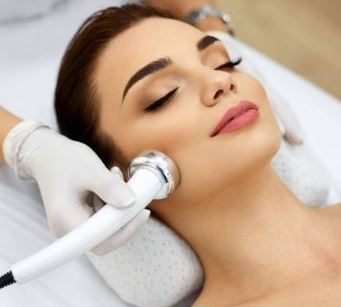
The skin is the largest body organ that plays a crucial role in determining your overall beauty. It is prone to a wide variety of illnesses that can affect your appearance. You can get folds or wrinkles that will make you look old. Conditions like eczema, acne and dark spots can also change your overall appearance. Taking good care of your skin will help ensure it looks good always. There are different products you can apply to treat some of these conditions.
You will come across some that can get rid of strawberry legs which is a type of condition that leads to the formation of red, dark spots on your skin. These products are usually divided into natural and artificial types. Natural products are the best because of the benefits that come with their use. They have minimal after effects, so you don’t have to worry about experiencing anything strange from using them.
Most of these natural beauty products also have quality nutrients that will help nourish your skin and keep it healthy all the time. You will also get them at affordable prices. The other option of getting rid of some of these skin conditions is visiting a medical expert. They can try out a variety of procedures like laser skin treatment that will keep you in good shape. Here is why you should visit a medical expert for this kind of treatment.
Experience
Professionals such as cosmetologists or dermatologists have the right expertise when it comes to dealing with some of these skin conditions. It is something they have studied and practiced. Handling different patients also makes them the best choice to treat such conditions. They will assess your skin and come up with proper treatments.
Right Equipment
These medical experts also have the right equipment to get rid of dark spots from your skin. They can use some of the latest techniques like laser technology to do away with the dark spots that have formed on your skin. You should look for these experts if you need some quality treatment.
Quick Results
Using some skincare products will keep you waiting for long if you want to get the best results. You may be forced to wait for several months to get some quality treatment. Experts will include different procedures that will help ensure you get rid of all the spots from your skin very fast. Try going to a cosmetologist or dermatologist now to get the best and most effective treatment.
 Can Reach Fats Anywhere in the Body
 The whole procedure over an area can take one hour or less. Without any cuts and anesthesia, a patient does not need any recovery time at all. With only a feeling of soreness after the procedure, massaging the area a little can help you get rid of the discomfort. Massaging the area can also aid in fat degradation in the treated area as some patients would claim.