
Beauty is not just a gift. It’s something we need to achieve. That’s why more and more people visit their aestheticians and surgeons to get chemical peels, Botox injections, or even nose fillers. When it comes to skincare, we all want the best for our skin. We want to avoid harmful ingredients and choose products that make us look and feel our best. But with so many skincare products on the market, how do you know which ingredients to avoid? Today’s post will shed light on some of the most harmful ingredients you don’t want in your skincare products. As a bonus, we’ll also provide better alternatives for your skin. So, let’s get started.
Formaldehyde
Formaldehyde is a known carcinogen often used as a preservative in skincare products. It can be found in shampoos, body washes, and other cosmetics. Formaldehyde can cause skin irritation, watery eyes, and burning sensations in the eyes and throat. In severe cases, it can also cause difficulty breathing. If you see formaldehyde listed as an ingredient on a skincare product, it’s best to avoid it. There are many preservatives that are safe and effective alternatives to formaldehyde. Some of these include sodium benzoate, potassium sorbate, and caprylyl glycol.
Phthalates
Aside from formaldehyde, phthalates are another group of chemicals that you want to avoid in your skincare products. Phthalates are often used to make plastics more flexible and durable. They can also be found in perfumes, lotions, and hair care products. Phthalates have been linked to endocrine disruption, reproductive toxicity, and cancer. If you see phthalates listed as an ingredient in a product, it’s best to avoid it. Instead, look for products that contain safer alternatives, like ethylhexylglycerin and phenoxyethanol.
Parabens
Like formaldehyde and phthalates, parabens are another group of chemicals that you want to avoid in your skincare products. A study in 2004 found that parabens can mimic the hormone estrogen in the body. This can lead to various health problems, including endocrine disruption, reproductive toxicity, and cancer. If you see parabens listed as an ingredient on a product, it’s best to steer clear of it.
Polyacrylamide
 Last but not least, you also want to avoid polyacrylamide in your skincare products. Polyacrylamide is a synthetic polymer that is often used as a thickening agent. It can be found in some creams, lotions, and hair care products. Polyacrylamide has been linked to cancer and reproductive toxicity. Some reports showed that polyacrylamide can also cause skin irritation. If you see polyacrylamide listed as an ingredient on a product, it’s best to avoid it.
As you can see, these are harmful ingredients you want to avoid in your skincare products. By reading labels and doing your research, you can ensure that you’re using safe and effective products to help you achieve healthy, beautiful skin. Do you have any other tips for choosing the right skincare products? Share them with us in the comments below.

 When you’re attending a wedding, whether as a guest or part of the bridal party, hair extensions are your best friend. They can add volume and length to create stunning, voluminous updos or cascading waves that scream elegance. If you’re looking for a romantic and soft look, adding loose waves to your extensions will give you a dreamy, bride-worthy hairstyle. You can finish it off with a delicate hairpin or floral accessory. For those who prefer an updo, extensions can give you the fullness and height you need for a sophisticated bun or chignon. Braids can also be added for a more bohemian feel, which is perfect for a more relaxed, yet elegant look.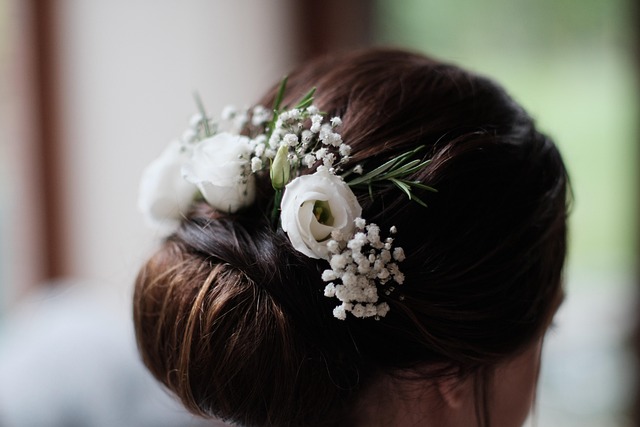
 To make sure your hair extensions look as flawless as possible, there are a few tips to keep in mind. First, choose the right type of extensions. Clip-in or tape-in extensions are a great option for blending seamlessly with your natural hair while still providing length and volume. Second, it’s essential to match your hair color as closely as possible for the most natural look. If you want to add a little more dimension, consider going for a slightly lighter shade to achieve a sun-kissed, highlighted effect. Lastly, prep your natural hair before adding the extensions. Ensure that your hair is styled and prepped so that the extensions blend well and stay in place throughout the day or night. No matter the occasion, hair extensions are a simple way to elevate your hairstyle and make you feel extra fabulous.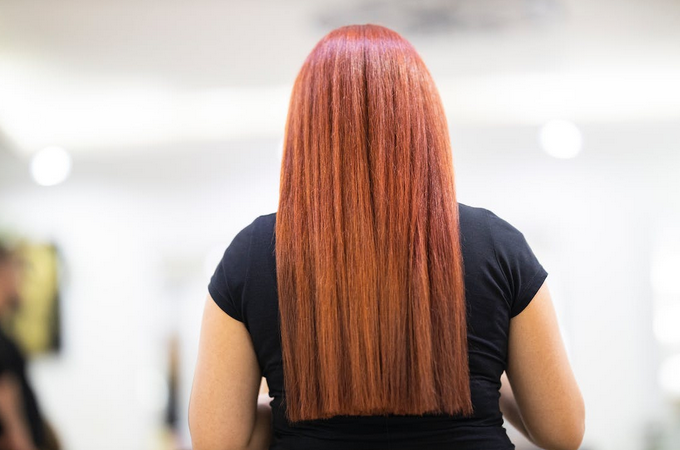

 Meanwhile, synthetic wigs are not that expensive compared to human hair wigs. However, they’re much easier to maintain since they hold their style even after getting wet. But they can also get damaged by heat-styling tools.