
Daily Skincare Habits That Work Well With Dermovate Treatments

Feeling like your skin won’t glow as you’d expect? Having an issue with your skin getting clearer? Using dermovate can feel like a reset button for irritated or inflamed skin, but the results improve when your daily habits support it. Think of it like teaming up with your products instead of working against them. Many people forget that simple routines matter just as much as the treatment itself. With consistent habits, your skin gets a calmer, healthier environment to heal in.

Using a Gentle Cleanser Every Morning

Start the day with a cleanser that doesn’t strip your skin. Harsh formulas make irritation worse and slow down progress. Choose something mild, soft, and straightforward. Your face shouldn’t feel tight or squeaky after washing. A calm beginning sets the tone for the rest of your routine. Skin treated with steroid creams needs extra kindness. Think low-foam or non-foam cleansers. They remove sweat and oil without overdoing it.

Moisturizing Right After Cleansing

moisturizer

Hydration locks comfort into the skin. A simple moisturizer supports your barrier and helps reduce dryness caused by treatment use. Apply it while your skin is still slightly damp for better absorption. That tiny timing trick makes a bigger difference than most people expect. Look for creams instead of gels. They tend to soothe more effectively. Fragrance-free options are usually safer for sensitive or inflamed skin. Keep it predictable and avoid unnecessary additives.

Applying Dermovate Only as Directed

Using your prescription exactly as instructed is essential. More isn’t better, and skipping days without reason slows progress. Apply a thin layer to affected areas only. Think “light coat,” not frosting a cupcake. Consistency gives you clearer results. If your skin starts improving, resist the temptation to push for quicker changes. Slow and steady truly works better here. It keeps your skin stable during the process.

Keeping Your Hands Clean Before Every Application

Clean hands make a major difference. Dirt or bacteria can worsen irritation if transferred onto sensitive skin. Wash your hands first, apply the treatment, then wash again. It sounds repetitive, but it prevents problems. This habit also stops residue from getting on clothing, bedding, or your phone. Many people overlook this tiny step. But it keeps your routine hygienic and prevents accidental spreading to other areas. Think of it as a simple insurance move.

Avoiding Harsh Exfoliation and Active Ingredients

exfoliation

Skip abrasive scrubs or strong acids while using steroid treatments. They can overwhelm your skin and undo improvements. Your routine should feel soothing, not aggressive. Stick to gentle products for the time being. If you enjoy exfoliating normally, save it for later. Your skin needs quiet time to heal. Think like a gardener—new growth needs protection, not rough handling. A soft touch goes a long way.

Using Sunscreen Every Day

Skin that’s healing becomes more sensitive to sunlight. UV exposure worsens redness and inflamed areas quickly. A daily sunscreen protects your progress. Choose mineral formulas for fewer reactions. Apply it generously and reapply if you’re outside for long periods. Even cloudy days count. Sunlight doesn’t need permission to irritate your skin. Keeping a travel-sized sunscreen in your bag helps you stay prepared.

Leave a Reply

Your email address will not be published. Required fields are marked *

Related Post

ingredients

Harmful Ingredients That Should Not Be in Your Skincare Products

Beauty is not just a gift. It’s something we need to achieve. That’s why more and more people visit their aestheticians and surgeons to get chemical peels, Botox injections, or even nose fillers. When it comes to skincare, we all want the best for our skin. We want to avoid harmful ingredients and choose products that make us look and feel our best. But with so many skincare products on the market, how do you know which ingredients to avoid? Today’s post will shed light on some of the most harmful ingredients you don’t want in your skincare products. As a bonus, we’ll also provide better alternatives for your skin. So, let’s get started.

Formaldehyde

Formaldehyde is a known carcinogen often used as a preservative in skincare products. It can be found in shampoos, body washes, and other cosmetics. Formaldehyde can cause skin irritation, watery eyes, and burning sensations in the eyes and throat. In severe cases, it can also cause difficulty breathing. If you see formaldehyde listed as an ingredient on a skincare product, it’s best to avoid it. There are many preservatives that are safe and effective alternatives to formaldehyde. Some of these include sodium benzoate, potassium sorbate, and caprylyl glycol.

Phthalates

Aside from formaldehyde, phthalates are another group of chemicals that you want to avoid in your skincare products. Phthalates are often used to make plastics more flexible and durable. They can also be found in perfumes, lotions, and hair care products. Phthalates have been linked to endocrine disruption, reproductive toxicity, and cancer. If you see phthalates listed as an ingredient in a product, it’s best to avoid it. Instead, look for products that contain safer alternatives, like ethylhexylglycerin and phenoxyethanol.

Parabens

Like formaldehyde and phthalates, parabens are another group of chemicals that you want to avoid in your skincare products. A study in 2004 found that parabens can mimic the hormone estrogen in the body. This can lead to various health problems, including endocrine disruption, reproductive toxicity, and cancer. If you see parabens listed as an ingredient on a product, it’s best to steer clear of it.

Polyacrylamide

face oilLast but not least, you also want to avoid polyacrylamide in your skincare products. Polyacrylamide is a synthetic polymer that is often used as a thickening agent. It can be found in some creams, lotions, and hair care products. Polyacrylamide has been linked to cancer and reproductive toxicity. Some reports showed that polyacrylamide can also cause skin irritation. If you see polyacrylamide listed as an ingredient on a product, it’s best to avoid it.
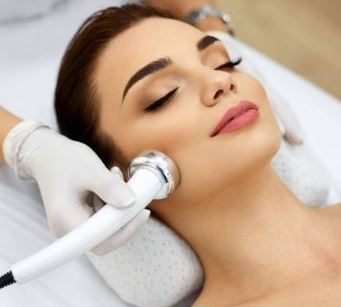

As you can see, these are harmful ingredients you want to avoid in your skincare products. By reading labels and doing your research, you can ensure that you’re using safe and effective products to help you achieve healthy, beautiful skin. Do you have any other tips for choosing the right skincare products? Share them with us in the comments below.

music concert

Tips for Staying Fresh During Music Concerts

Attending music concerts is fulling to many people, and the experience of each concert is always different from another. Getting to meet your favorite artist, band, and see them perform live on stage is something you don’t get to experience often. Enjoyable musical concerts have many benefits to your overall health and well-being; thus, you should attend the concerts every time you have the chance. Even so, staying fresh during music concerts is hard, given the number of people, the dancing and jumping that comes with a lively performance. According to dr alison gruen nyc, here are tips for staying fresh during music concerts to ensure you enjoy yourself to the maximum.

people participating in a music festival

Dress Right

Attending music concerts means that you will get involved in a lot of physical activities such as walking to the event, jumping, dancing, etc. You, therefore, need to dress in loose fitting clothes to ensure that your body gets aerated enough. Wear shorts instead of trousers, and have a vest or loosely fitting T-shirt. You should also avoid polyester and synthetic underwears. Cotton clothing is good for such events because it absorbs the sweat keeping your body fresh for longer.

Prepare Right

Shower before going to the concert! This might seem obvious, but you might be surprised by the number of people who don’t do this arguing that they will get sweaty in the concert anyway. But ensuring that your body is as fresh from the start sets you right. You should also use a good deodorant to keep you fresh for long without smelling all too sweaty.

people participating in paint festival

Avoid eating food with garlic. Garlic is good for your body, but it is important that you avoid it in your meal before the concert as it tends to give people bad breath which will hinder you from enjoying yourself to the best.

Carry a cotton handkerchief. You are bound to sweat a lot during the concert, but you do not have to smell sweaty. A cotton handkerchief comes in handy in helping you wipe off the sweat and keeping your pores open, which is a key contributor to your freshness.

Mental Wellness

Beyond body odor and bad breath, freshness is also a state of mind. Matching your expectations with reality is also important. It means that you may have forgotten to carry your water, but you should try to find an alternative such as buying minty chewing gum. Staying alert means that you get to visit the washroom to freshen up when you feel like you have been sweating a lot or chewing some gum when you feel like your breath might be a bit off to keep the body fresh.

Drink Plenty of Water

From days before the concert, drink a lot of water. Staying hydrated keeps you rejuvenated and it reduces the chances of you having a bad breath.

a person holding a bottled water

You should also carry some water with you during the day of the concert. Given the shouting that comes with music concerts, your mouth is bound to get dry pretty fast. Whenever you get the chance, drink some water to keep your mouth moist and get rid of any bad breath. Water also keeps you mentally alert, which is crucial when attending any event.

Attending music concerts is thrilling. With these tips, you will enjoy yourself better, knowing that your body is going to be fresh for long.

The Perfect Ensemble: A Guide to Choosing the Right Outfit for a Theater Night

Attending a play or theatre performance is not just a cultural experience; it’s an opportunity to immerse yourself in the world of art and storytelling. As you prepare for an evening at the theatre, choosing the right outfit is essential to strike a balance between sophistication and comfort. In this guide, we’ll explore the nuances of dressing for the theatre, ensuring that your attire complements the ambiance while allowing you to enjoy the performance in style.

Understanding the Dress Code

Before selecting your outfit, it’s essential to consider the dress code of the theatre you’ll be attending. Some venues may have a formal dress code, while others are more casual. Research the specific guidelines of the theatre, which can often be found on their website or by contacting the box office. Adhering to the suggested dress code demonstrates respect for the venue and the performers.

For example, a venue showcasing the ocean minded wave seeker play may require a more casual dress code to suit the theme.

Formal Evening Attire for Theatrical Grandeur

For theaters with a formal dress code, opt for classic evening attire. Men can choose a well-tailored suit or a blazer paired with dress trousers. A crisp dress shirt and a tasteful tie complete the ensemble. Women may opt for an elegant cocktail dress or a tailored evening gown. Consider accessories like pearls or a statement necklace to add a touch of glamour.

Smart Casual for Versatile Elegance

Many theatres adopt a smart casual dress code, offering a more relaxed yet polished atmosphere. Men can choose tailored chinos or dress trousers paired with a button-down shirt or a stylish polo. Women may opt for a chic blouse paired with trousers or a skirt. Smart casual allows for a balance between comfort and sophistication, creating a versatile and stylish look.

Matinee Attire

For matinee performances, which often take place during the day, consider daytime-appropriate attire. Men can choose a well-fitted blazer paired with khakis or dress trousers. A collared shirt or a fine knit sweater adds a touch of refinement. Women may opt for a stylish day dress or separates, such as a blouse paired with a skirt or trousers. Daytime attire should be polished and refined without being overly formal.

Footwear Matters

Given that a theatre experience involves sitting for an extended period, comfortable footwear is crucial. For formal attire, men may opt for polished dress shoes, while women can choose elegant heels or stylish flats. In smart casual or daytime attire, consider comfortable yet sophisticated footwear. Always ensure your shoes are well-maintained, contributing to an overall polished look.

Weather Considerations

Considering the weather is a practical aspect of theatre attire. If attending during colder months, bring a stylish coat or a tailored jacket that complements your outfit. Scarves, gloves, and hats can be both functional and fashionable. However, be mindful of removing or stowing these items during the performance to avoid blocking the view of fellow audience members.

In conclusion, attending a play or theatre performance is an opportunity to showcase your sartorial flair while respecting the cultural significance of the event. By paying attention to dress codes, opting for appropriate attire, and considering practical elements such as weather and footwear, you can ensure that your outfit complements the theatrical experience and allows you to immerse yourself in the magic of live performance fully.